Videograph "100" (1947-49)
|
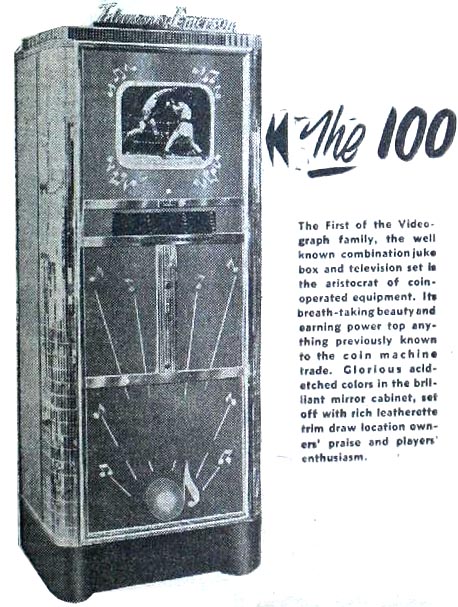
Der Videograph verfügt über
einen 12" Fernseher von Emerson mit mehreren Lautsprechern. Er
wird ohne Mechanismus geliefert, der vom Aufsteller selbst unter
Verwendung seiner vorhandenen Geräte eingebaut werden kann. |
The Videograph features a 12" Emerson
television unit with multi-speakers. It comes without a mechanism which can be
installed by the operator by himself using his current machine. |
History Videograph Corporation
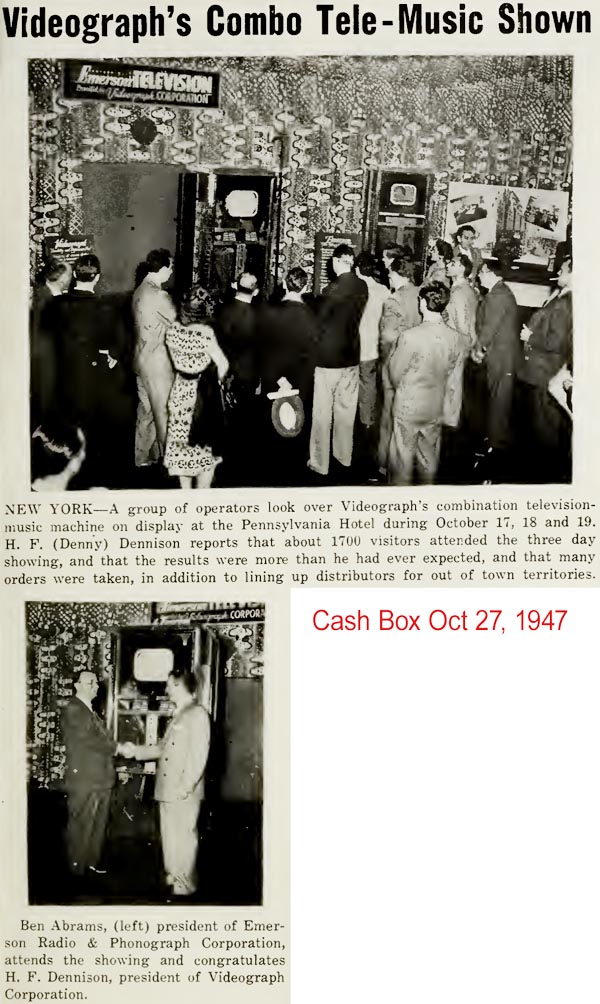
Die Videograph Corp. war von 1947 bis 1949 tätig und vor allem für das 218 cm hohe Modell „100“ mit einem 15-Zoll-Fernseher von Emerson bekannt und für den Münzbetrieb in Bars und Diners bestimmt. Das attraktive Modell mit farbigen Figuren auf Spiegel wurde am 17. Oktober 1947 im Hotel Pennsylvania in New York vorgestellt. Entwickelt und produziert für Videograph Corp. wurde der Videograph von der Emerson Radio & Phonograph Corp. mit Sitz in Parsippany, New Jersey.
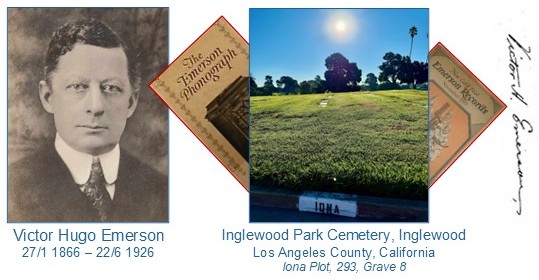
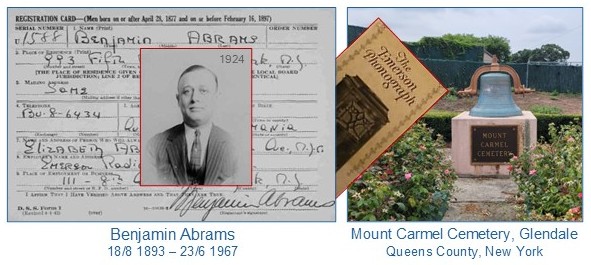
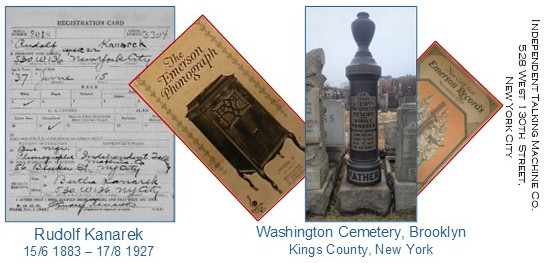
Die Emerson Phonograph Co. wurde im April 1915 vom Erfinder Victor Hugo Emerson und dem Phonographenverkäufer Benjamin Abrams gegründet, 1922 jedoch von Benjamin Abrams und Rudolf Kanarek, dem Gründer der Independent Phonograph Co. in New York, übernommen. Das Unternehmen wurde 1924 in Emerson Radio & Phonograph Corp. umbenannt und ging 1943 an die Börse. Eines der ersten Nachkriegsprodukte war ein Fernsehgerät mit einer 10-Zoll-Röhre, das Anfang 1947 auf den Markt kam.
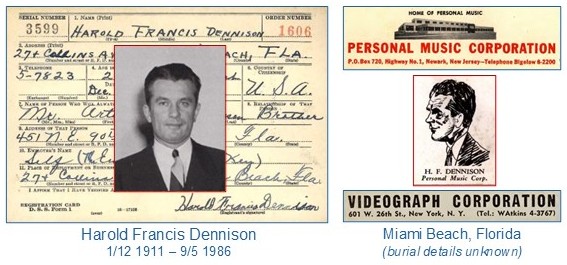
An der Spitze der Videograph Corporation stand
Harold F. Dennison, ehemals Präsident der
Personal Music Corporation in Newark, New Jersey, Hersteller der
kabelgebundenen Phonette- und Measured-Music-Systeme, die auf Patent-
und Markenrechte basierend während der Kriegsjahre vom Erfinder
William S. Farrell erworben worden waren.
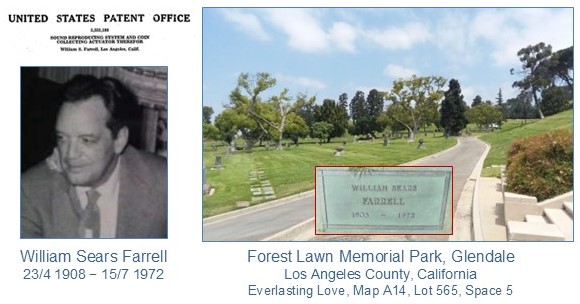
William S. Farrell, ehemals Chefingenieur der Radioabteilung der
General Electric Co. Connecticut, erfand das kabelgebundene Phonette-System im Juni 1939, als er sich in Kalifornien von einer
schweren Krankheit erholte und gründete daraufhin im März 1940 die Phonette Company of America. Das Phonette-System wurde mindestens zwei
Jahre lang produziert, doch aufgrund von Kriegsbeschränkungen war das
Unternehmen einige Jahre inaktiv, bis die Personal Music Corp. in Newark
alle Produktions- und Patentrechte an dem münzbetriebenen
kabelgebundenen Telefonsystem erwarb und die Produktion am 1. Mai 1945
wieder aufnahm.
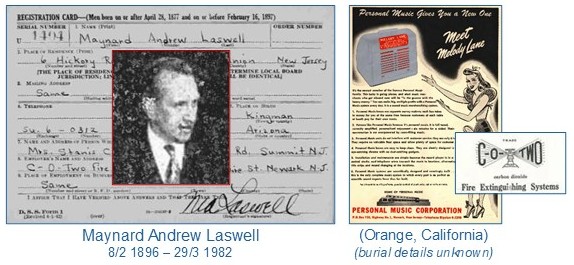
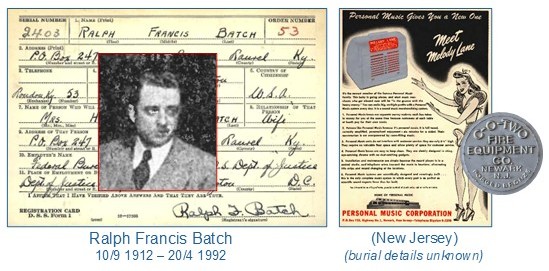
Die Personal Music Corp. wurde 1940 von Harold F. Dennison gegründet,
der mit der Rodney Pantages Inc. in Los Angeles verbunden war, sowie von
Maynard A. Laswell und Ralph F. Batch, dem
Gründer und Vertriebsleiter der C-O-Two Fire Equipment Co., die 1925 von
Maynard A. Laswell in Los Angeles gegründet worden war. Die Personal
Music Corp. war eine Tochtergesellschaft der miteinander verbundenen
Unternehmen Pyrene Manufacturing Co. und C-O-Two Fire Equipment Co. mit
Produktionsstätten in der 576 Belmont Avenue in Newark, New Jersey.
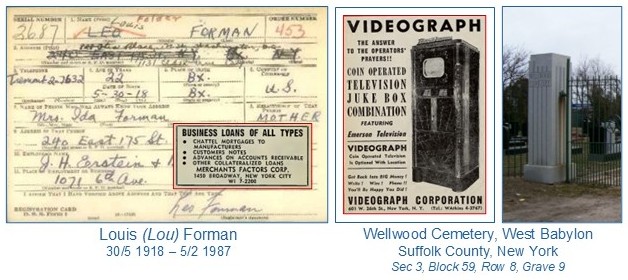
Im Jahr 1948 wurde die Videograph Corp. von
Louis
Forman geleitet, Geburtsname Leo, aber den Spitznamen Lou trug und
zugleich Vizepräsident der Merchants Factors Corp. war, einer
Handelsfinanzierungsgesellschaft mit Sitz in New York. Das Unternehmen
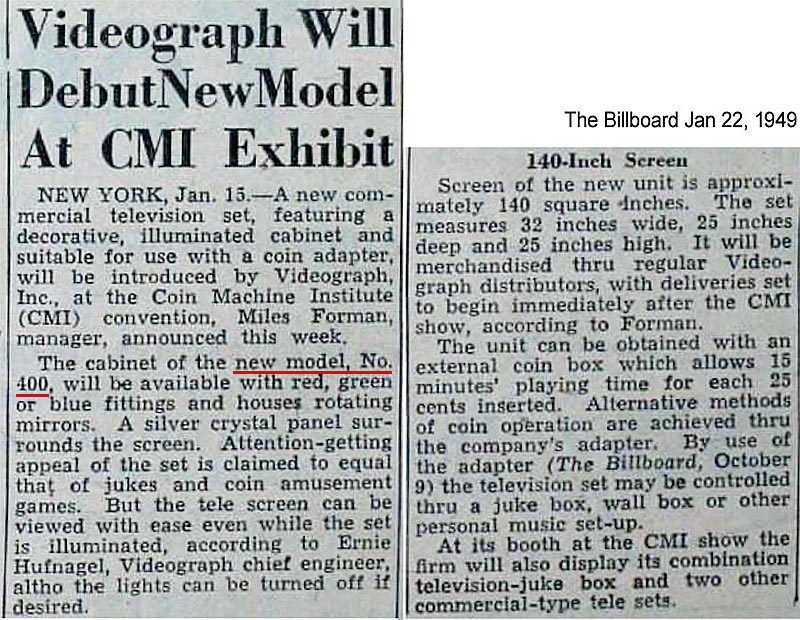
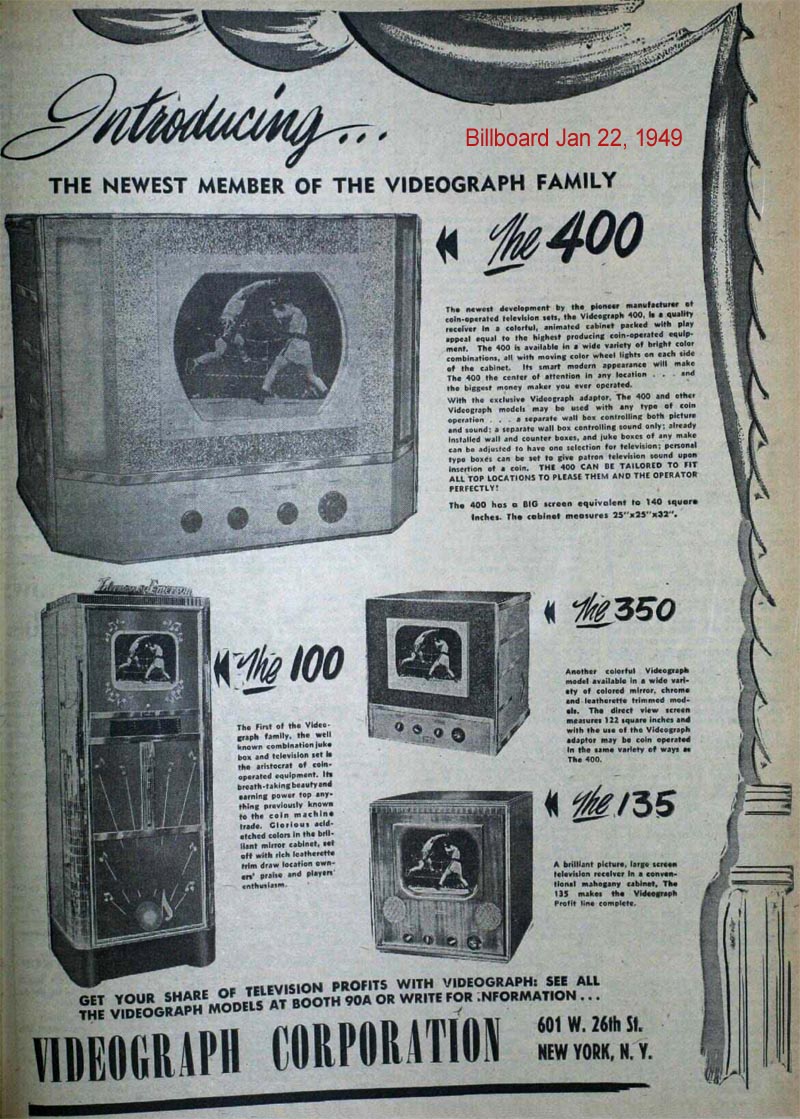
brachte Ende 1948 auch kleinere Videograph-Modelle wie den „135“, den
„350“ und schließlich den „400“ auf den Markt.
Im Juni 1948 wurde in New York eine Niederlassung oder
Tochtergesellschaft namens Videocoin Corp. gegründet und von
Herman (Hy)
Siegel geleitet, dem ehemaligen Mitbegründer von Apollo Records im Jahr
1944. 1949 vermarkteten Harold F. Dennison, in der Branche als Denny
bekannt, und die H. F. Dennison Sales Co. kabelgebundene Musikgeräte für
die Solotone Corp. mit Sitz in Los Angeles; zu dieser Zeit war Harold F.
Dennison Mitglied des Vorstands der C.M.I. (Coin Machine Industries).
Im Mai 1952, nach fünfzehn Jahren in der Münzautomatenbranche, gründete
Harold F. Dennison die Whistle Stop Corp. of America, eine Kette von
Imbissrestaurants in Chicago.
Videograph Corp. was active from 1947
until 1949 mainly known for the 7 feet, 2-inches high model “100” with 15-inch
Emerson Television for coin-operation in bars and diners. The attractive model
with colored figures on mirrors was introduced on the 17th October 1947 at Hotel
Pennsylvania in New York and developed and produced for the Videograph Corp. by
the Emerson Radio & Phonograph Corp. based in Parsippany, New Jersey.
The Emerson Phonograph Co. was founded in April 1915 by the inventor Victor Hugo Emerson and phonograph salesman Benjamin Abrams, but acquired in 1922 by Benjamin Abrams and Rudolf Kanarek, the founder of Independent Phonograph Co. in New York. The company was renamed Emerson Radio & Phonograph Corp. in 1924 and became a public corporation in 1943. One of the first postwar products was a television set with 10-inch tube introduced early in 1947.
The Videograph Corporation was headed by
Harold F. Dennison, the former president
of the Personal Music Corporation. in Newark, New Jersey, and the manufacturer of wired
Phonette and Measured Music systems based on patent and trademark rights
acquired from the inventor William S. Farrell during the war years.
William S. Farrell, formerly chief engineer in the radio division of the General Electric
Co. in Connecticut, invented the Phonette wired system in June 1939, when he
recovered from serious illness in California, and then founded the Phonette
Company of America in March 1940. The Phonette system was produced for at least
two years, but due to war restrictions the company was inactive for a few years
until Personal Music Corp. in Newark acquired all production and patent rights
to the coin-op telephone wired system and resumed production on the 1st of May
1945.
The Personal Music Corp. was founded in 1940 by Harold F. Dennison,
associated with Rodney Pantages Inc. in Los Angeles,
Maynard A. Laswell, and
Ralph F. Batch, founder and sales manager of C-O-Two Fire Equipment Co. founded
in 1925 by Maynard A. Laswell in Los Angeles. Personal Music Corp. was a
subsidiary of the affiliated companies Pyrene Manufacturing Co. and C-O-Two Fire
Equipment Co. with production facilities at 576 Belmont Avenue in Newark, New
Jersey.
In 1948 the Videograph Corp. was managed by
Louis
Forman, born name Leo
but nicknamed Lou, who was also vice-president of the Merchants Factors
Corp., a trade finance corporation based in New York. The company also
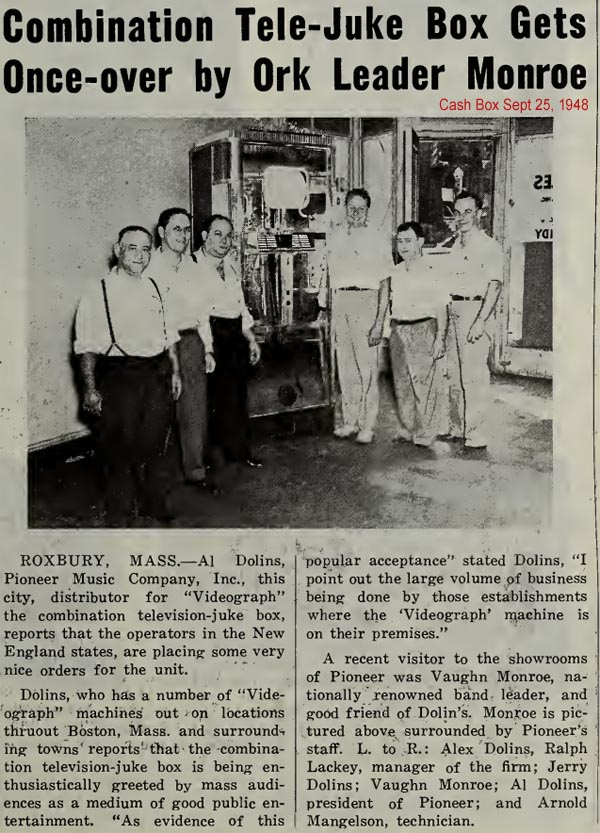
introduced smaller Videograph models like the “135”, the “350”, and finally the
“400” late in 1948.
In June 1948 an outlet or affiliation in New York named
Videocoin Corp. was established and managed by Herman (Hy)
Siegel, formerly co-founder of the Apollo Records in 1944. In 1949 Harold F. Dennison,
known in the trade as Denny, and H. F. Dennison Sales Co. marketed
wired music equipment for Solotone Corp. based in Los Angeles, and at the time
Harold F. Dennison was a member of the Board of Directors of the C.M.I. (Coin
Machine Industries).
In May 1952 after fifteen years in the coin-op industry
Harold F. Dennison formed the Whistle Stop Corp. of America, a chain of snack
restaurants in Chicago.
Videograph Presentations 1947 & 1948
Popular Science 2/1948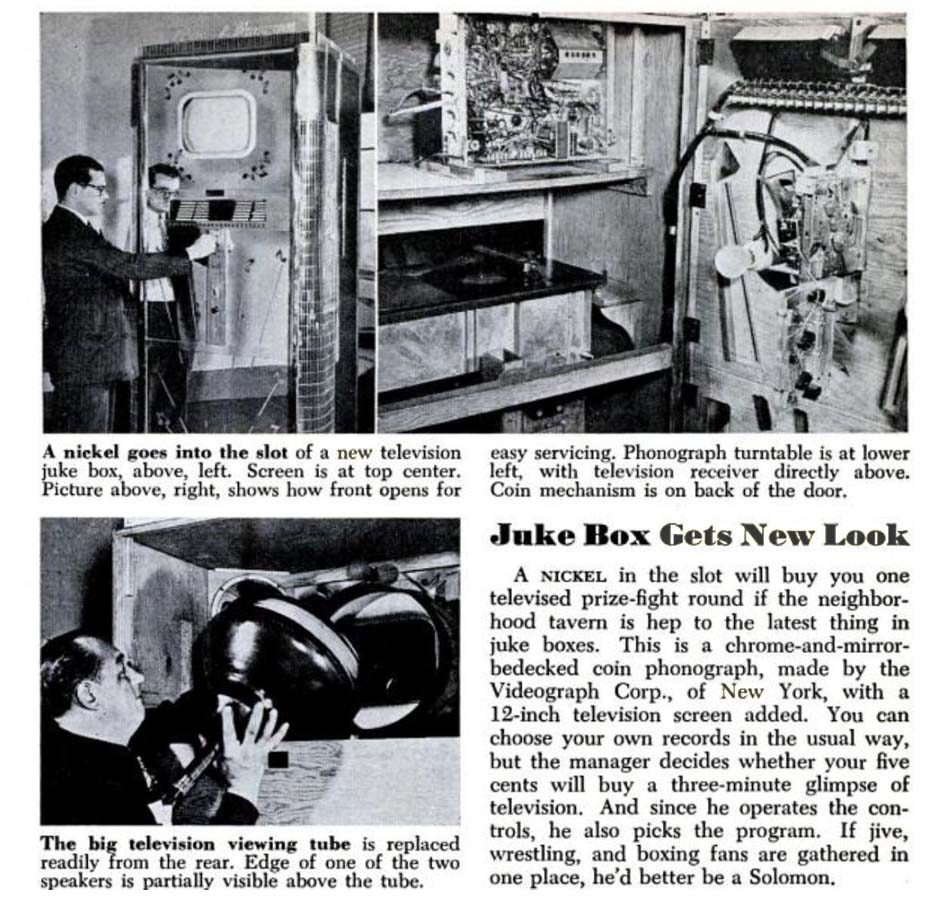
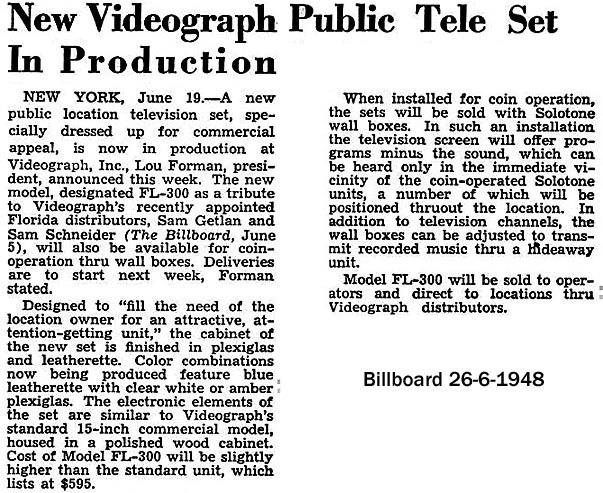
Videograph "FL300" (1948)
Videograph No. 400 - 350 - 135 (1949)
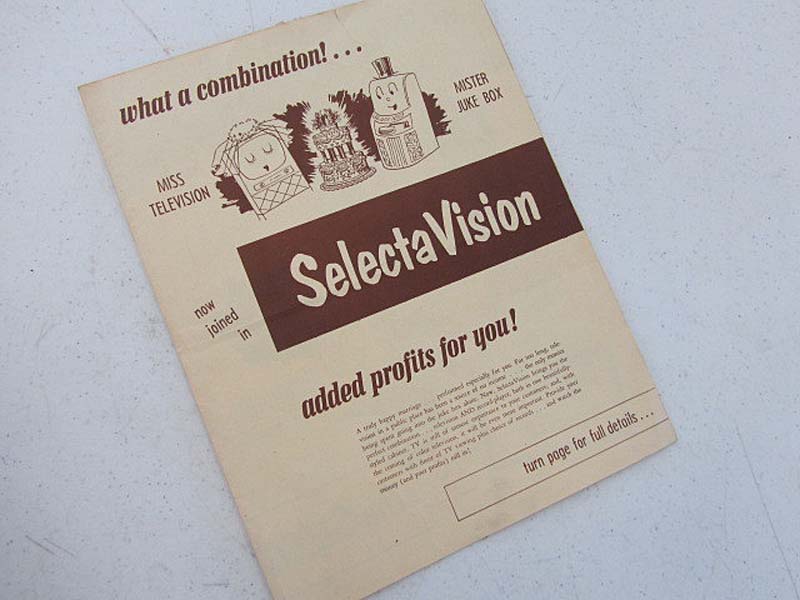
Miss Television – Mister Juke Box
More information on this Telejuke: Videograph
Victor Hugo Emerson
Benjamin Abrams
Rudolf Kanarek
Harold Francis Dennison
William Sears Farrell
Maynard Andrew Laswell
Ralph Francis Batch
Louis Lou Forman
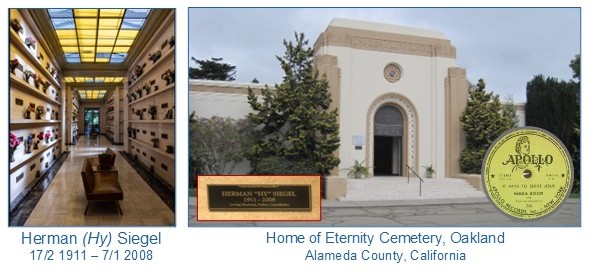
Herman Hy Siegel
Die Angaben haben keinen
Anspruch auf Vollständigkeit oder Richtigkeit.
Bei den (importierten) Boxen können im Laufe der Jahre durchaus
Veränderungen vorgenommen worden sein. Copyright.
Ein Service von

Copyright by
Stamann Musikboxen